


Posted March 5, 2024 (Updated Nov. 1, 2026)
I stare at the lettered cubes snugly fit in their sectioned tray while my husband, daughter, and I play Boggle.
Seconds before, I quickly scribbled down words, but now nothing comes.
I turn the tray a quarter to the right for a fresh perspective. A couple of new words immediately become visible.
When all our pens stop, I turn the tray again, and we each find new words before the sand timer runs out.
We end the round by reading off the words on our lists.
“Oh, nice! How did I not see that?” we all take turns saying.
After tallying our points for that round, my daughter snaps the cover over the letter tray and shakes it up again. I wince at the thunder of plastic cubes smacking against the plastic container.
Our next round is much like the first. Quarter turns, new words discovered, and amazement that we all found at least one word the rest of us didn’t, despite studying the same set of letters.
*****
Why is it so hard to see what’s right in front of us? In Boggle, maybe the sand in the timer emptying psyched us out and interfered with our ability to think clearly. Stress can do funny things to our brains.
Life isn’t much different. So often, we rush through activities to check off our to-dos before another day begins with a whole new list. What can be helpful–laser focus–can also prevent us from seeing the finer details.
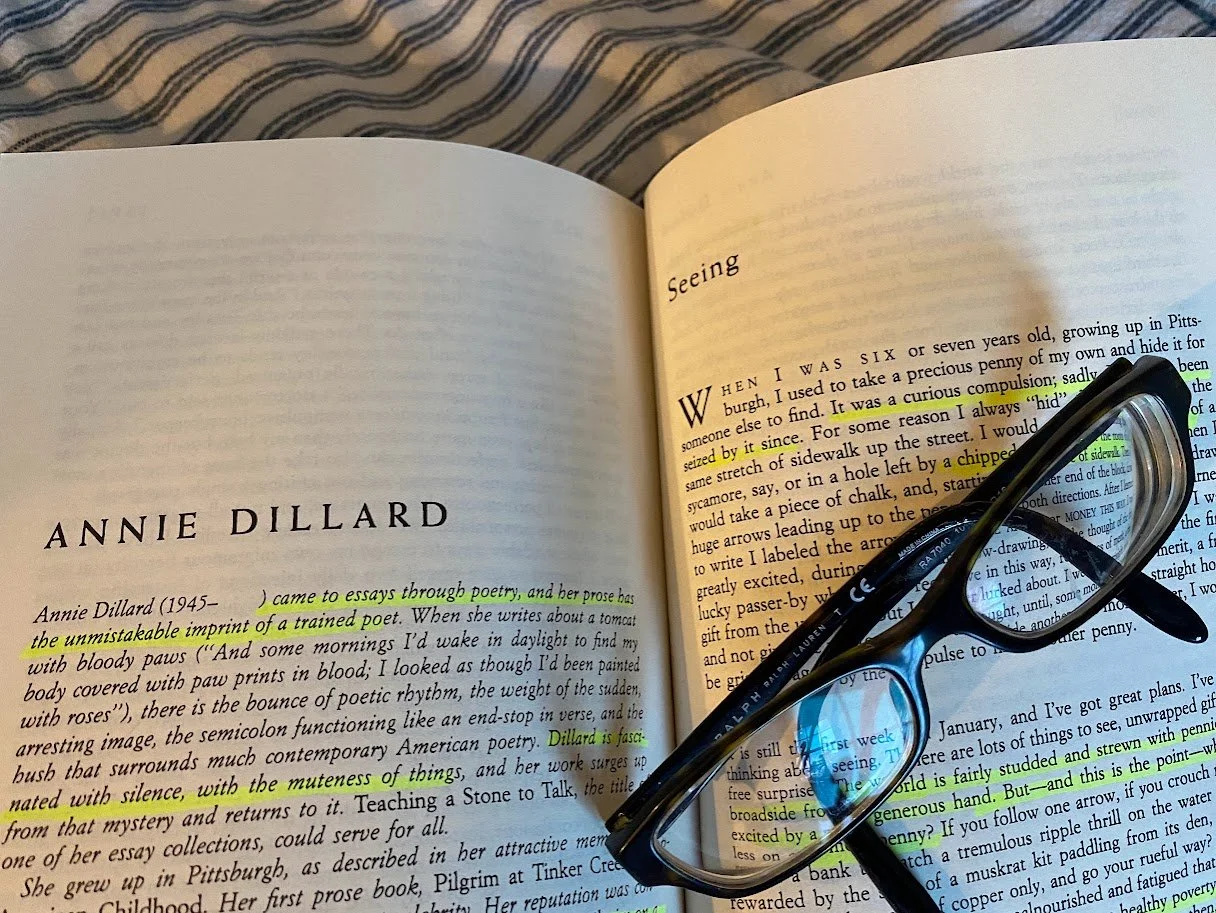
Annie Dillard explores the generous gifts life offers us if we take the time to look in her essay “Seeing.” She describes seeing hundreds of red-winged blackbirds fly out of a tree by her house, and yet she had never noticed them before they took flight. She writes, “It’s all a matter of me keeping my eyes open.”
Our strengths and experiences may also contribute to how we see things that others don’t, even when they are looking.
When I share drafts of my writing with peer reviewers, I’m always amazed at how varied the feedback can be. While a couple of comments might overlap, reviewers often each notice something different. A detail-oriented person might catch an incorrect homophone used or notice extraneous words to cut. A natural storyteller may tune into the structure and suggest a different order. A part of the story that resonates with one reviewer, because they have similar interests or experiences, could miss the mark for another.
No matter our daily tasks, interests, or past experiences, we can choose to grow by taking the time to see life from another perspective.
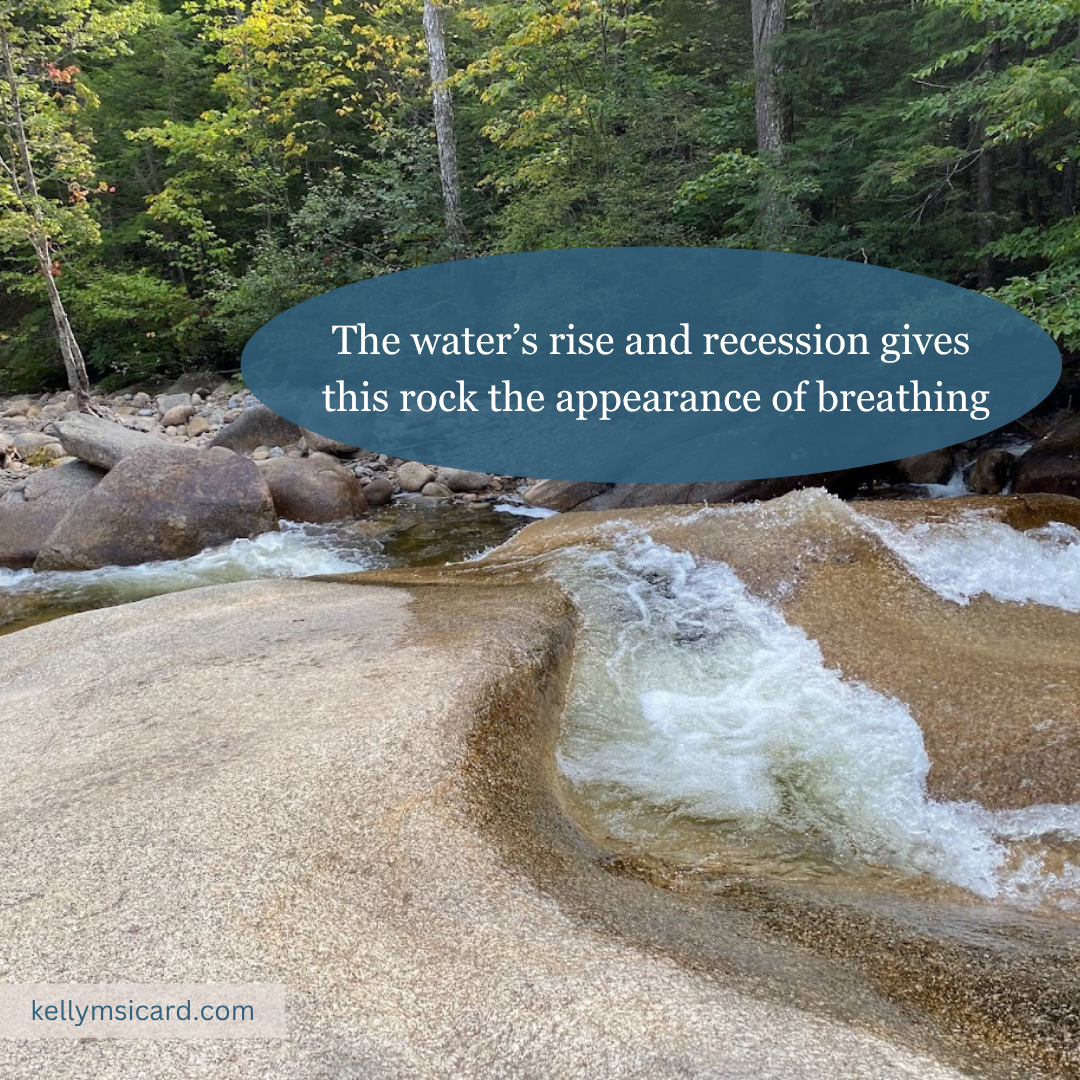
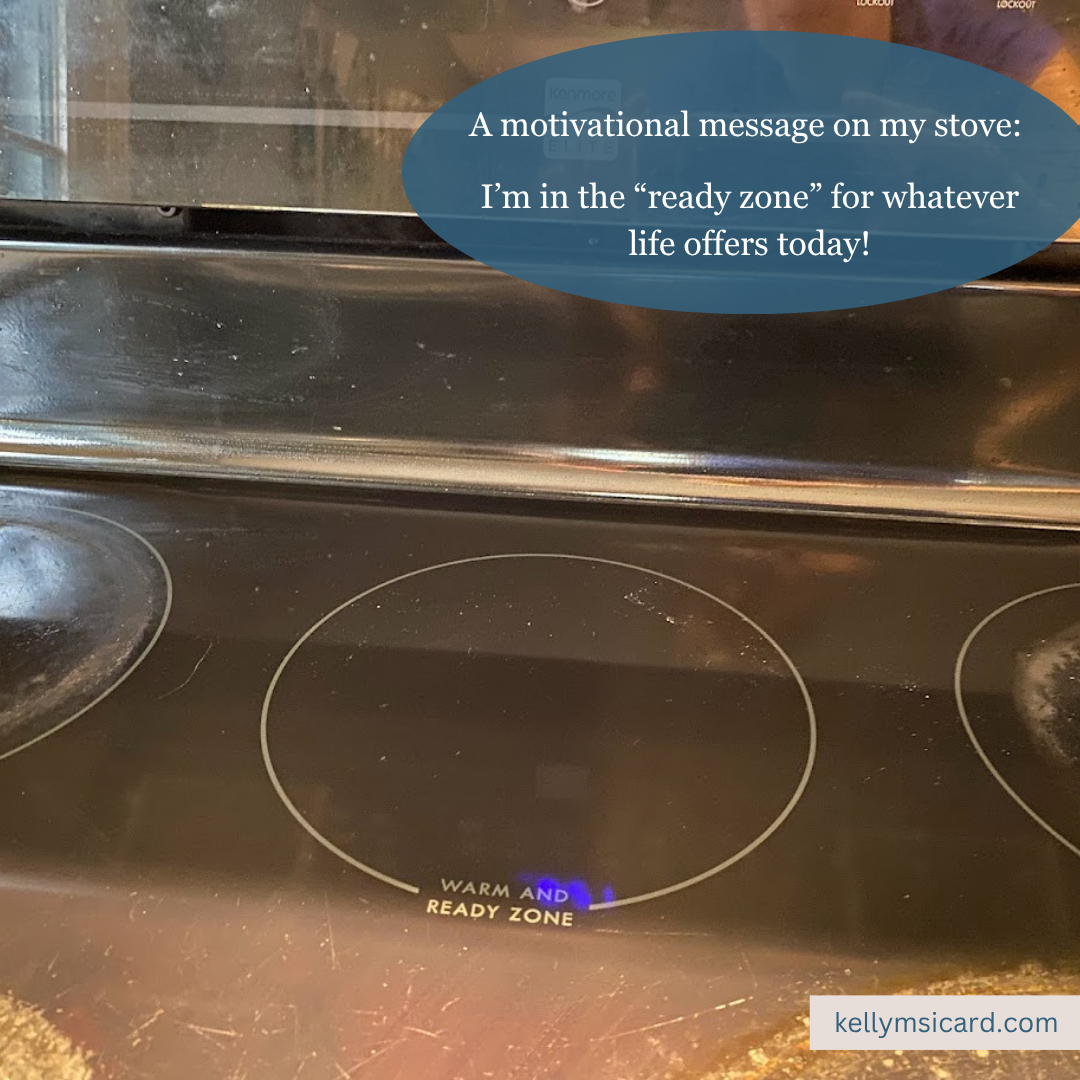
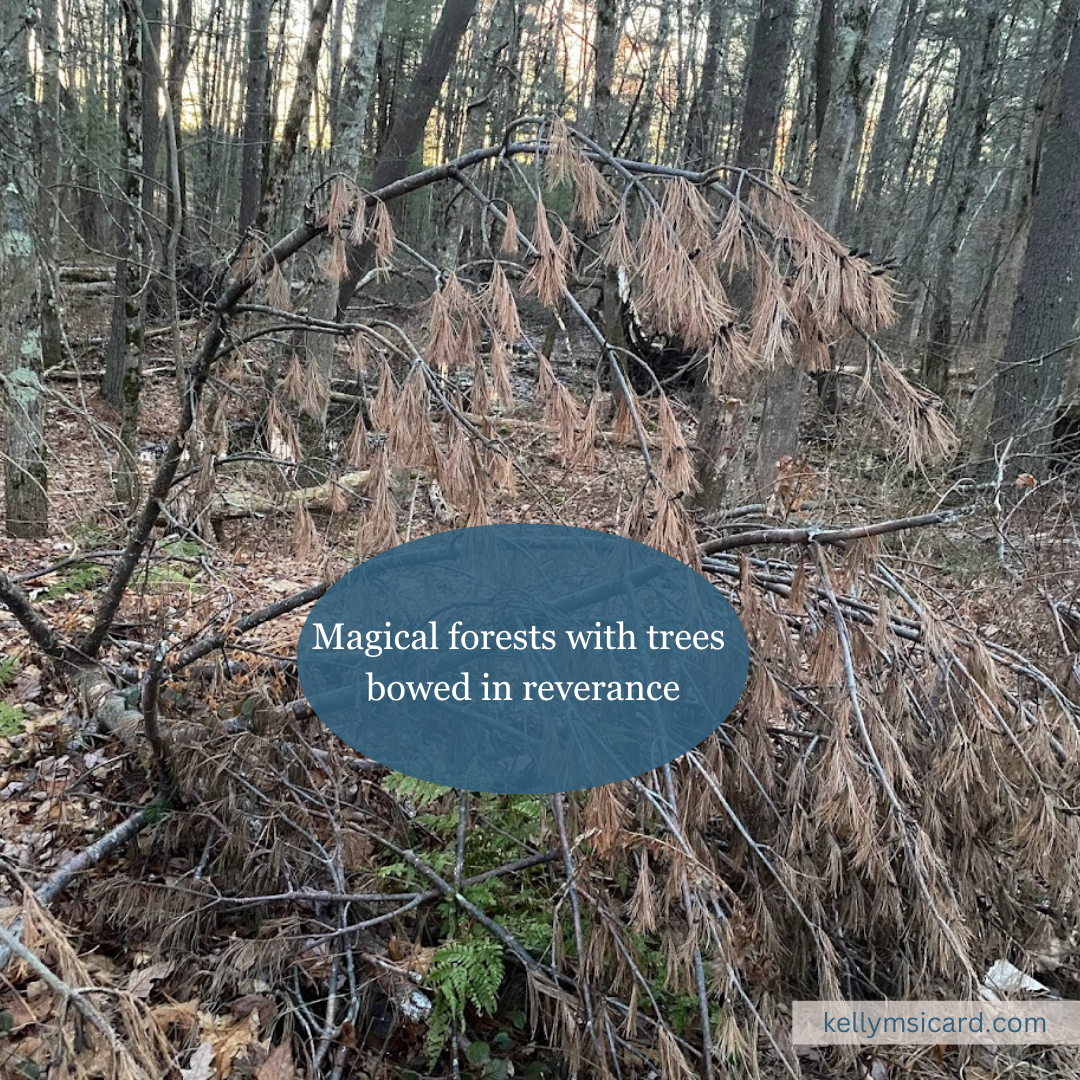
Below is life from my eyes—7 photos taken over 7 months. Thanks for looking through my view for a moment and celebrating different ways of seeing.

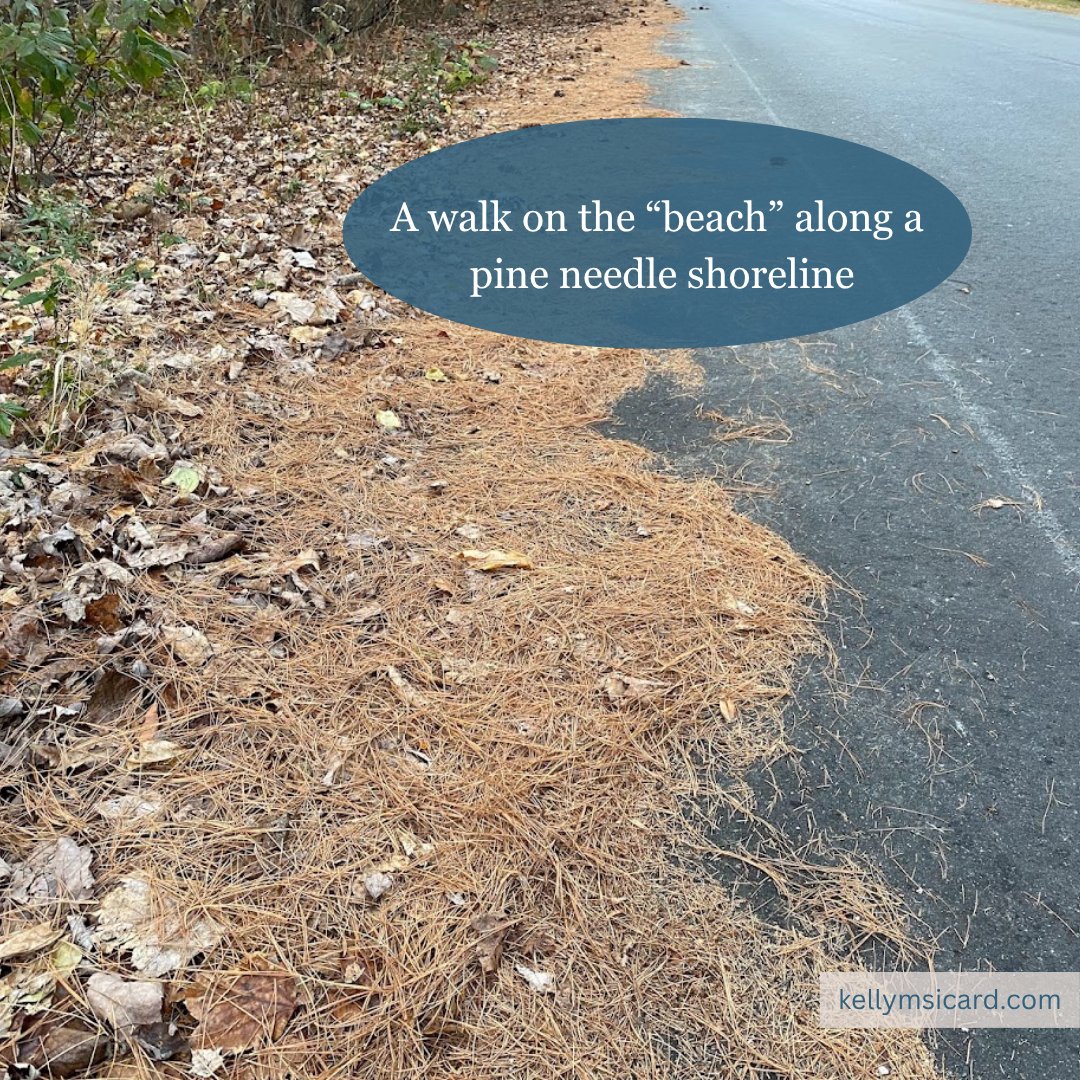
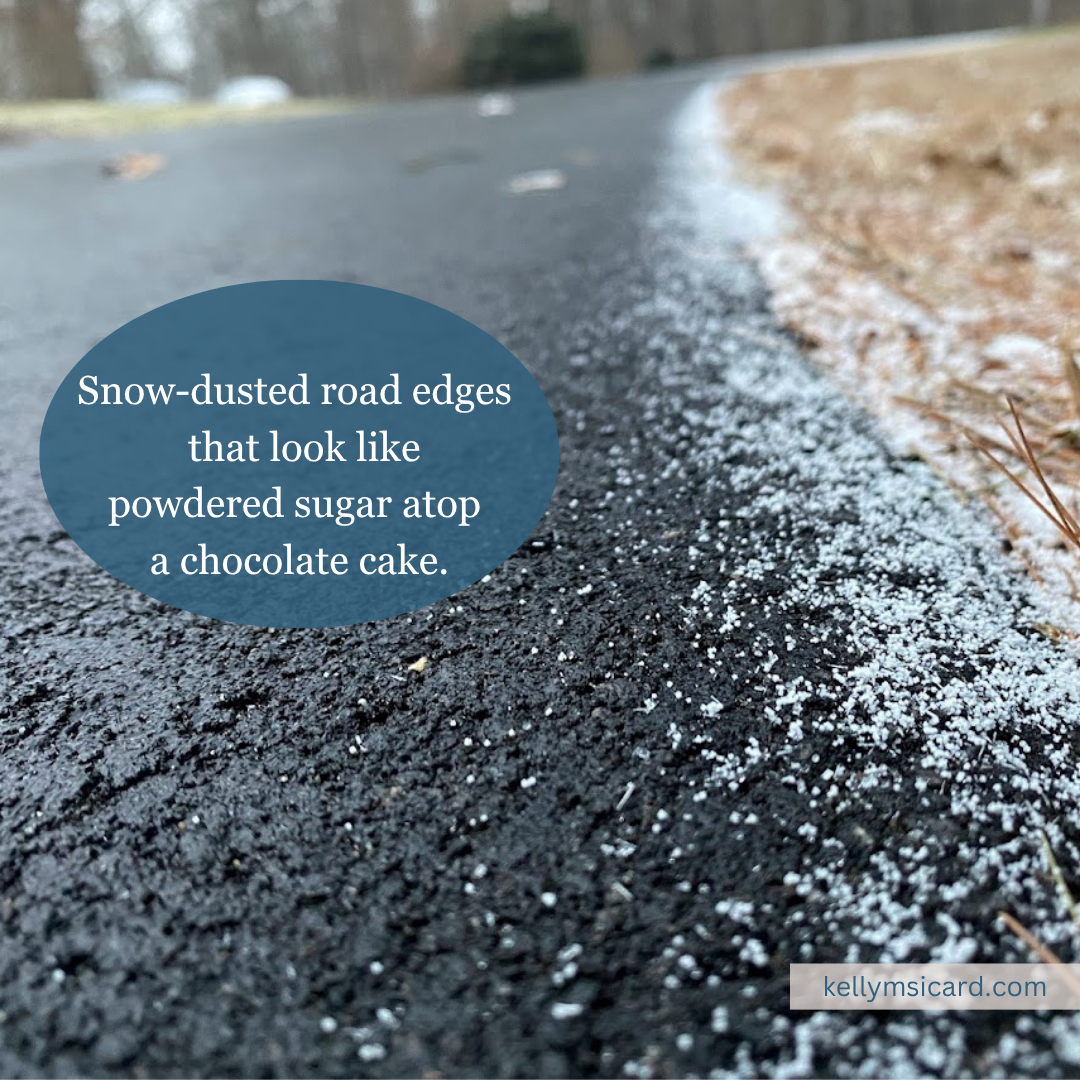


What do you notice that others might miss?
What’s one thing (an object or experience) you could look at from a different angle today?
Tip: Reading poetry loosens my mind and helps me think differently.
Going deeper: Check out book reviews for Women in Black History and I Am Malala to learn about how these women saw life differently and courageously changed the world.